
 Hover to Zoom
4ft x 300ft Landscape Fabric -Heavy Duty Weed Barrier Fabric for Landscaping, Weed Blocker Cloth,Geotextile Fabric for Garden, Driveway & Ground Cover, Garden Weed Mats,Grid Pattern
Product Description
4ft x 300ft Heavy Duty Landscape Fabric – Geotextile Weed Barrier
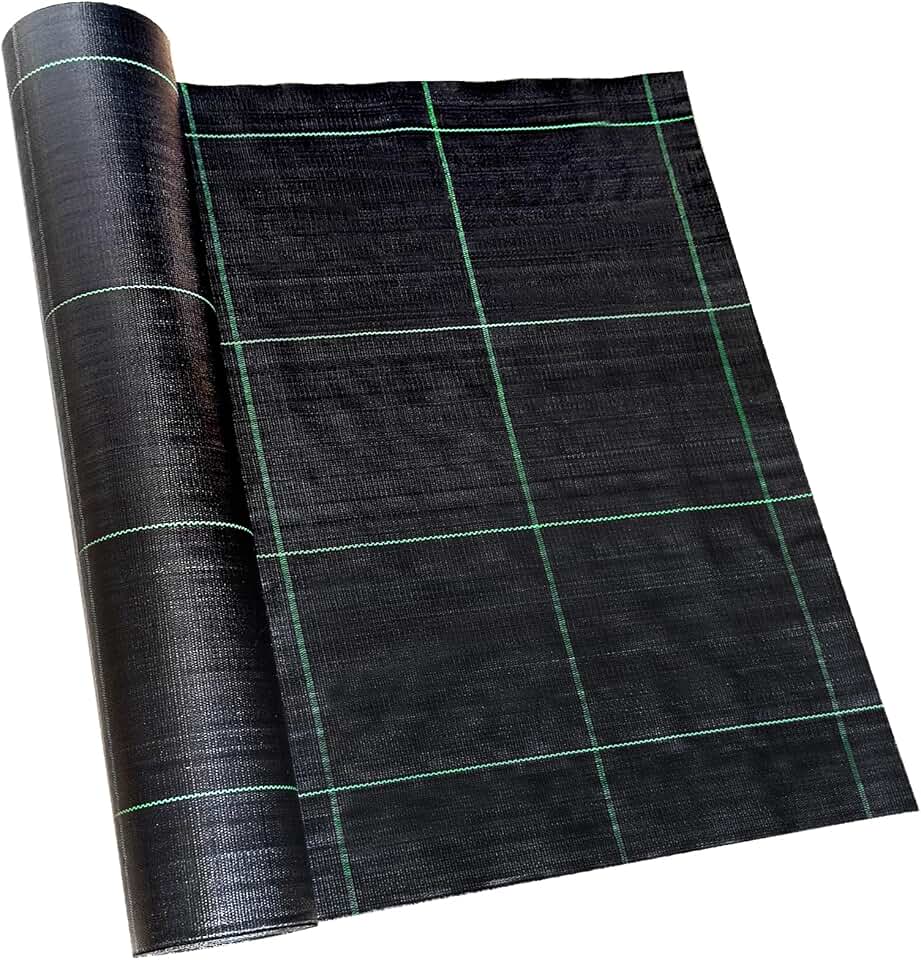
The product is a single sheet of landscape fabric that measures 4 feet in width and 300 feet in length. It is marketed as a heavy duty weed barrier fabric, a weed blocker cloth, and a geotextile fabric suitable for gardens, driveways, and general ground cover applications. The fabric features a grid pattern across its surface.
Dimensions and Size
- Width: 4 feet (48 inches)
- Length: 300 feet (3,600 inches)
- Sheet area: 1,200 square feet
Material and Construction
The sheet is composed of a geotextile fabric material. No further details about weave density, fiber composition, or tensile strength are provided in the data set. The designation “heavy duty” indicates that the material is intended to provide a durable barrier against weed growth.
Grid Pattern Design
The fabric’s surface includes a grid pattern. This pattern consists of uniformly spaced openings that allow for the passage of water and air through the material while blocking the emergence of weeds from underneath.
Common Applications
This landscape fabric is intended for use in gardening and landscaping projects. Typical scenarios include:
- Covering soil in raised beds or garden beds to suppress weed growth.
- Laying over driveways or patios to reduce weed intrusion between paving stones.
- Providing a temporary ground cover during seasonal transitions or while a lawn is establishing.
Installation Guidance
When installing the fabric, the following steps are generally recommended:
- Measure the area where the fabric will be placed to ensure the sheet length is sufficient.
- Cut the fabric to the required width or length if the project does not match the full sheet dimensions.
- Lay the fabric flat over the prepared soil or base surface, aligning the grid pattern evenly.
- Secure the edges or seams with landscape staples, pins, or adhesive if desired.
- Cover the fabric with mulch, soil, or other ground cover materials to lock it in place.
Maintenance and Longevity
Because the fabric is made from a durable geotextile material, it is designed to withstand outdoor exposure over extended periods. Maintenance typically involves checking for tears or displacements and reinforcing or replacing sections as necessary. No specific cleaning instructions or care guidelines are provided.
Environmental Considerations
As a geotextile product, the fabric is intended to be a passive barrier that allows water and air to permeate. No additional claims regarding environmental impact, biodegradability, or chemical composition are available in the data set.
Storage and Handling
The fabric can be stored in a dry, shaded area when not in use. Folding or rolling the material should be done carefully to avoid damage to the grid pattern or the fabric’s integrity.
Packaging and Quantity
The product is sold as a single sheet of fabric. No information regarding additional accessories, packaging size, or quantity per package is provided.
Compatibility
The fabric can be combined with other landscaping materials such as mulch, soil, gravel, or paving stones. No specific compatibility constraints are listed in the data set.
Key Takeaways
- Large single sheet: 4ft wide, 300ft long.
- Heavy duty geotextile fabric designed to block weeds.
- Grid pattern allows water and air to flow through.
- Suitable for gardens, driveways, and ground cover projects.
- Installation involves laying flat, securing edges, and covering with mulch or other materials.